


Bappenas Strengthens Role of Higher Education Institutions in Supporting National Development
Prime News - Tue, 12 May 2026
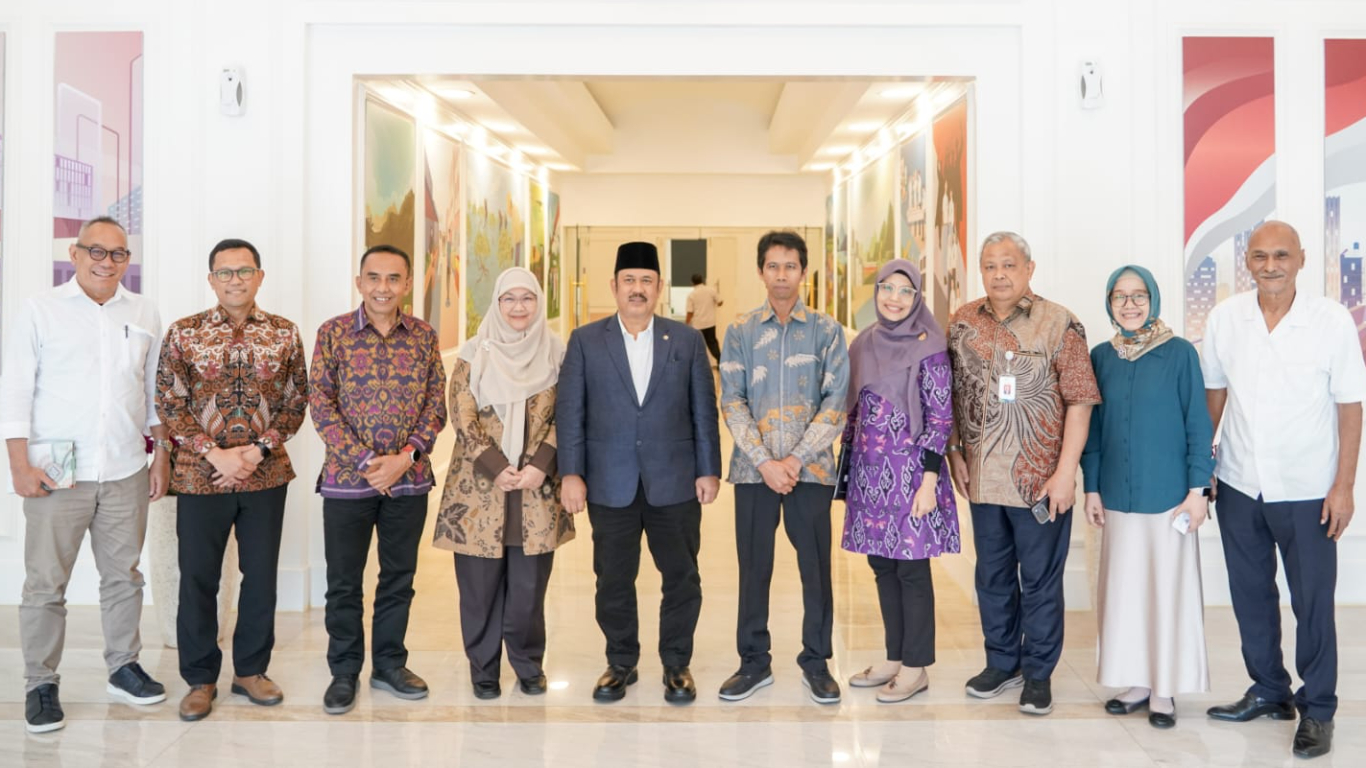
The Minister for National Development Planning/Head of Bappenas Rachmat Pambudy and Rector of the University of Mataram Sukardi discussed strengthening the role of higher education institutions as strategic partners in national development at the Bappenas Building in Jakarta on Tuesday, 12 May.
In line with the mandate of Presidential Regulation Number 12 of 2025 concerning the 2025–2029 National Medium-Term Development Plan (RPJMN), Minister Rachmat Pambudy emphasised the importance of higher education institutions as producers of high-quality human resources aligned with development needs.
“We want higher education institutions to become strategic partners of Bappenas in generating innovation, strengthening capacity development, and improving the quality of community learning,” Minister Rachmat stated.
As one of the leading higher education institutions in Eastern Indonesia, the University of Mataram is regarded as having a strategic position as a centre for regional knowledge and innovation development, a partner to both central and regional governments, and a bridge connecting the needs of communities, government, and academia.
Minister Rachmat also encouraged every higher education institution to develop a distinctive centre of excellence with specific added value in accordance with the unique potential of each region and institution. Such efforts are considered important to strengthen the contribution of universities in supporting the transformation of national development.
One of the innovations developed by the University of Mataram is lamtoro beef cattle feed, a livestock feed product made from the lamtoro plant (Leucaena leucocephala). The innovation was developed as an alternative to reduce dependence on conventional feed such as straw and grass.
The meeting underscored the importance of strengthening synergy among the government, higher education institutions, the business sector, and the public in supporting knowledge- and innovation-based national development. Close collaboration is expected to ensure that research outcomes and community service initiatives do not remain solely at the academic level, but are implemented concretely to address regional and national development challenges while strengthening Indonesia’s future competitiveness.