


Bappenas Strengthens Rural Clean Water Services through Multi-Stakeholder Collaborative Data Platform
Development News - Mon, 18 May 2026
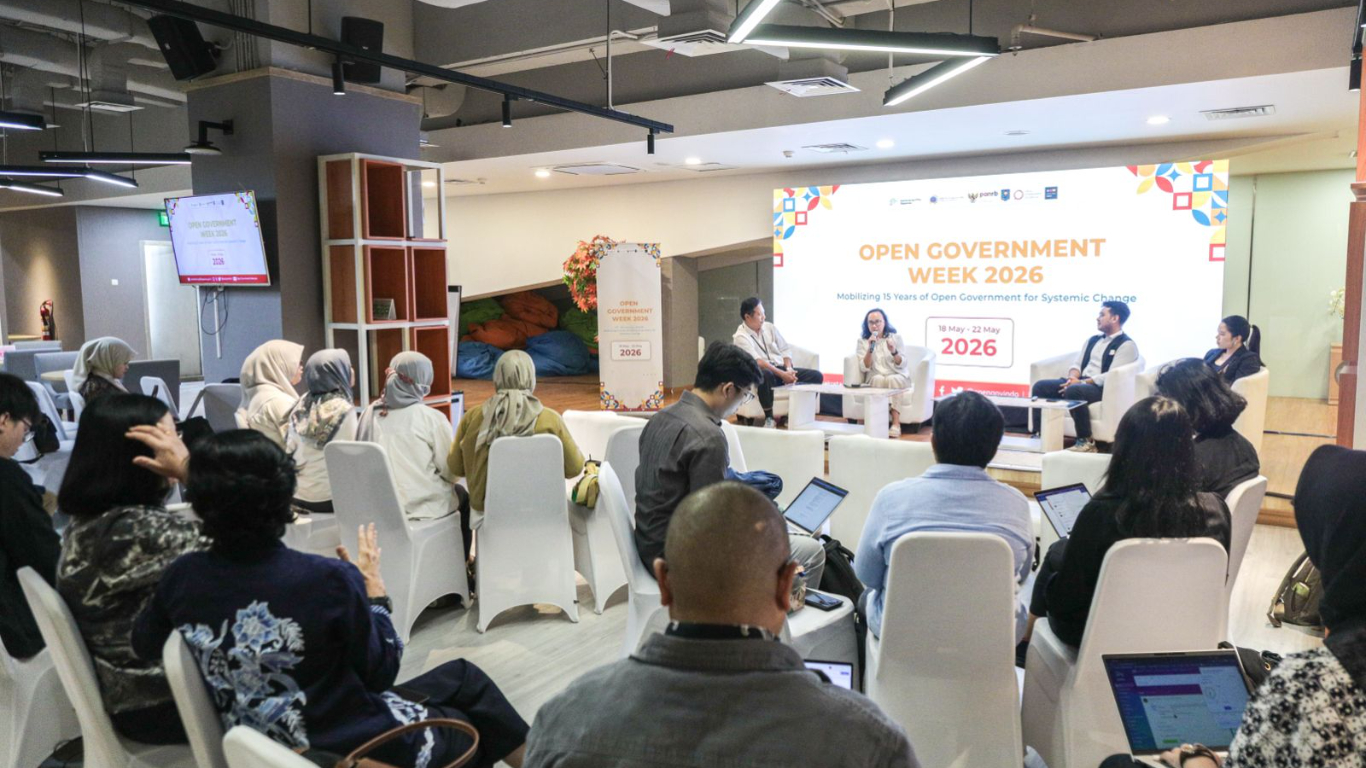
The Ministry of National Development Planning/Bappenas, through the National Secretariat of Open Government Indonesia, together with the Ministry of Villages and Development of Disadvantaged Regions, the Provincial Government of East Nusa Tenggara (NTT), Solar Chapter, and Wahana Visi Indonesia, has committed to improving rural clean water access services, particularly in disadvantaged areas across NTT.
The initiative is supported by the participatory data platform Mengalir.co and encourages the utilisation and strengthening of field-based data as the foundation for planning and implementing clean water programmes in the regions.
The Director of Foreign Relations at the Ministry of National Development Planning/Bappenas Maharani Putri Samsu Wibowo, who also serves as Chair of the Strategic Coordination Implementation Team for the National Action Plan on Open Government Indonesia, emphasised the importance of the discussion forum entitled From Data to Action: Strengthening Rural Clean Water Services through Multi-Stakeholder Collaboration, held at the Bappenas Tower in Jakarta on Monday, 18 May.
The forum formed part of the Open Government Week series, which took place from 18 to 22 May 2026.
Mengalir.co integrates data and information from participatory reports submitted by residents in NTT, local governments, and other parties regarding clean water conditions across the region. “Participatory reports from residents, local government data, and even field surveys are all integrated into a single platform that can be accessed by anyone, whether from the government, NGOs, or the public itself,” said Solar Chapter Executive Director Mustika Wijaya during her presentation.
Based on field data from Mengalir.co as of May 2026, 359 out of 764 villages, or 46.98 per cent, have service coverage below 25 per cent. Furthermore, 243 villages, or 31.58 per cent, still do not have adequate water services, with 172 villages experiencing non-functioning systems and 71 villages lacking water infrastructure entirely. These findings underline the importance of strengthening complementary field-based data and fostering multi-stakeholder collaboration to improve capacity, governance, and the effectiveness of clean water programmes so that services can reach communities more equitably and sustainably.
The use of this integrated data is expected to bridge local needs with sustainable solutions and serve as a coordination basis for aligning programmes related to clean water service provision. To date, the Mengalir.co platform has provided validated data covering 764 villages.
The discussion forum was also attended by Expert Policy Analyst at the Ministry of Villages and Development of Disadvantaged Regions Nanang Somantri, NTT Development Programme Acceleration Team member Wildan, and Senior Water and Sanitation Specialist at the World Bank Indonesia Irma Magdalena Soetiono