


Indonesia Reaffirms Strengthening Cross-Sectoral Inclusive and Sustainable Nutrition Ecosystems at the SUN Annual Meeting 2025
Prime News - Tue, 09 December 2025
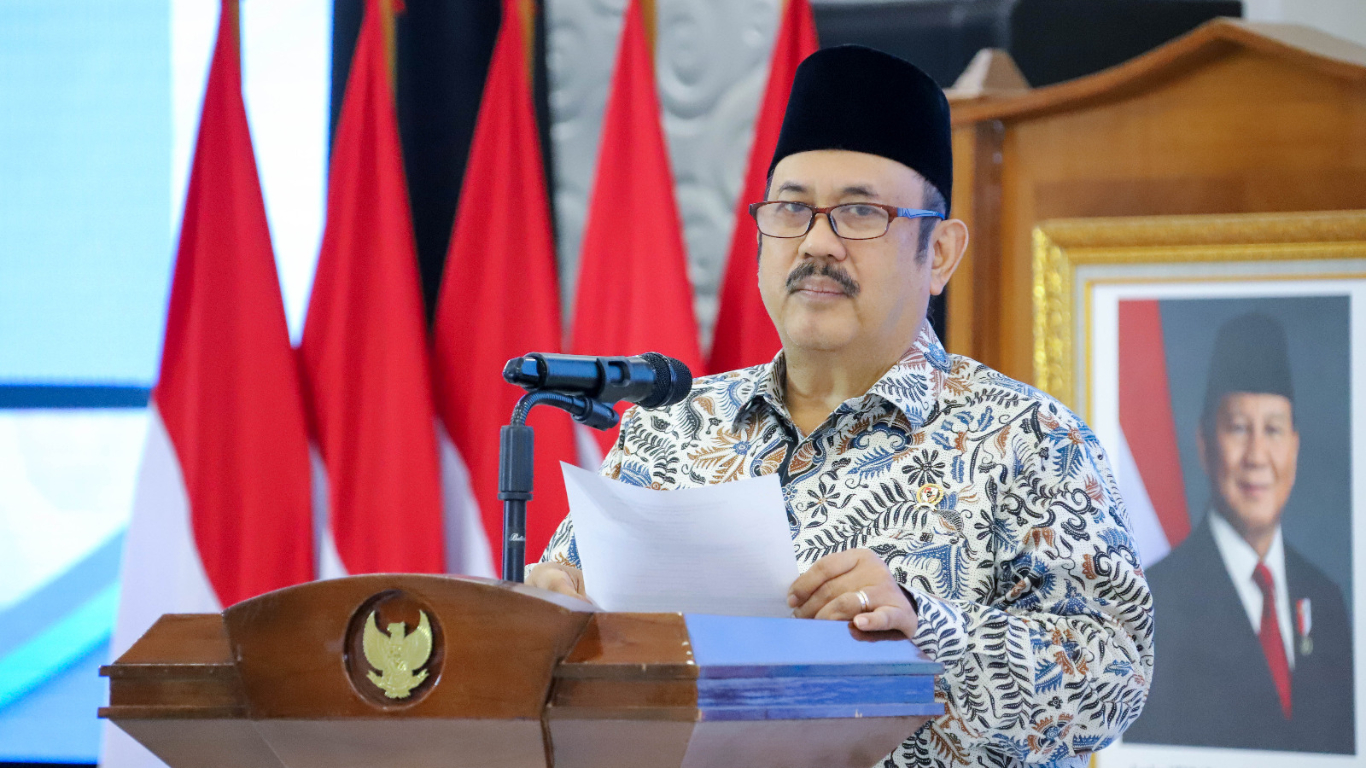
The Ministry of National Development Planning/Bappenas, as the focal point of the Scaling Up Nutrition (SUN) Movement, once again convened the Scaling Up Nutrition Annual Meeting (SUNAM) 2025 under the theme “Strengthening Inclusive and Sustainable Nutrition Ecosystems.”
Since joining the SUN Movement in 2011, a global initiative to accelerate improvements in nutrition, Indonesia has played a key role in strengthening coordination, collaboration, and commitment among stakeholders in the nutrition sector.
“Scaling Up Nutrition is not solely the responsibility of the government. It is a collective movement that must be carried out together—by central and local governments, the private sector, civil society, and academia. Everyone must act to address the nutrition challenges we still face,” explained the Minister for National Development Planning/Head of Bappenas, Rachmat Pambudy, in Jakarta on Tuesday (9 December).
Data from the 2024 Indonesian Nutritional Status Survey (SSGI) show that the national prevalence of stunting declined to 19.8 per cent from 21.5 per cent in 2023. However, Indonesia continues to face the triple burden of malnutrition, undernutrition, overnutrition, and micronutrient deficiencies, evident in the increase in adult obesity to 23 per cent, as well as persistently high rates of anaemia among adolescents and pregnant women, reaching around 30 per cent. “High stunting rates indicate a failure of the state to address the basic needs of its population. Therefore, we must build a healthy, inclusive, and sustainable nutrition ecosystem as a foundation towards the Golden Indonesia 2045 vision’s Nutrition for Growth target,” added Minister Rachmat.
The SUNAM 2025 theme underscores the importance of integrated and sustainable nutrition interventions, while ensuring that no group is left behind, in line with national policy directions. “In line with the 2025–2029 National Medium-Term Development Plan (RPJMN), health development policies focus on health for all, improving the nutritional status of the population, fostering healthy lifestyles, and strengthening services and governance,” said Pungkas Bahjuri Ali, Bappenas’ Deputy for Human Development and Culture.
On this occasion, the Minister of National Development Planning/Head of Bappenas also presented awards to South Sulawesi Province, West Java Province, and North Maluku Province as the best-performing regions in reporting on the Healthy Living Community Movement. This once again reaffirmed that nutrition improvement requires policy synergy, innovation, and multi-stakeholder collaboration.
“A strong nutrition ecosystem can only be realised when all networks, including government, academia, development partners, the private sector, and civil society, move together in an integrated manner. Nutrition improvement is a long-term investment. We must ensure that every innovation and policy delivers tangible benefits for children and families across Indonesia,” concluded Pungkas.