


Bappenas Outlines Strategy to Achieve Economic Growth Targets in Working Meeting with House of Representatives
Prime News - Thu, 13 March 2025
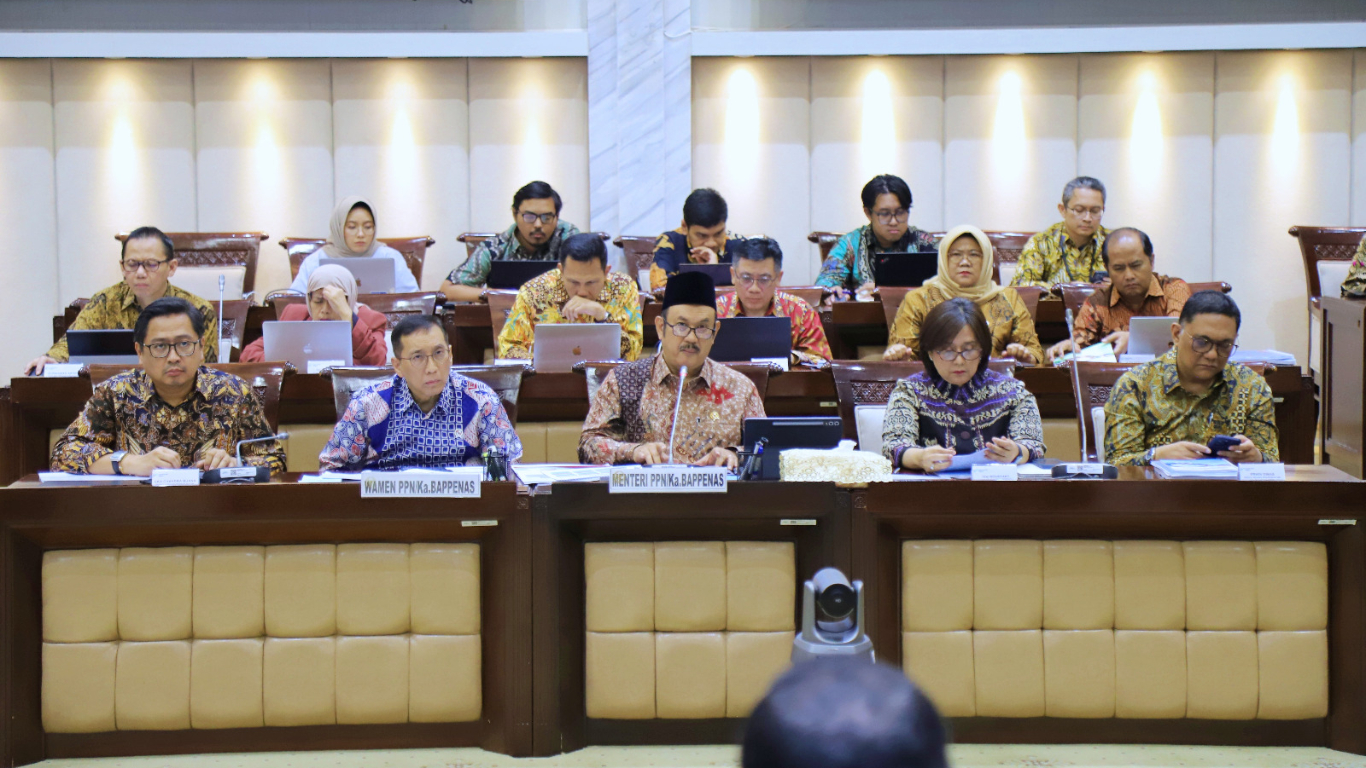
The Ministry of National Development Planning (PPN)/Bappenas has set a target for national economic growth to reach 8.0% by 2029. This target aligns with the 2025-2029 National Medium-Term Development Plan (RPJMN), which prioritises high economic growth, poverty reduction, and improvements in human capital quality.
“The 2025-2029 RPJMN is designed to accelerate sustainable economic growth, reduce the poverty rate to 4.5–5% by 2029, and increase the Human Capital Index to 0.74,” explained Minister for National Development Planning/Head of Bappenas, Rachmat Pambudy, during a Working Meeting with Commission XI of the Indonesian House of Representatives (DPR RI) on Thursday (13/3).
Minister Rachmat further elaborated that to achieve 8% economic growth, the government is prioritising the manufacturing, construction, and tourism sectors as the main drivers. From an expenditure perspective, the core strategies include strengthening household consumption, increasing investment, and improving export performance. The Ministry of National Development Planning has also designed a national risk management approach to ensure optimal achievement of growth targets.
The 2025-2029 RPJMN also emphasises regional development to strengthen synergy between central and local governments. Additionally, there are 17 priority programmes initiated by the President, including Quick Wins, aimed at addressing key challenges swiftly, effectively, and measurably.
The RPJMN 2025-2029 is built upon the Trisula Pembangunan (Development Trident), which consists of three key strategies for achieving national development goals:
- Sustainable high economic growth
- Poverty reduction
- Improvement in human capital quality
These three strategies are fundamental to accelerating economic transformation, improving public welfare, and laying a strong foundation to realise the Vision of Indonesia Emas 2045.
With this strategy and collaboration across multiple stakeholders, including the Indonesian House of Representatives, Bappenas is optimistic that Indonesia can break free from the Middle-Income Trap and become a high-income country by 2045.
“We extend our gratitude to the leadership and members of Commission XI of the DPR RI for their collaboration, insights, recommendations, and refinements in various aspects of medium-term development planning. This partnership is essential for ensuring high-quality economic growth, balanced regional development, and the creation of decent employment opportunities,” concluded Minister Rachmat.