


Bappenas Encourages IPB to Become a Centre for Palm Oil Studies and High Value Downstreaming
Prime News - Mon, 25 May 2026
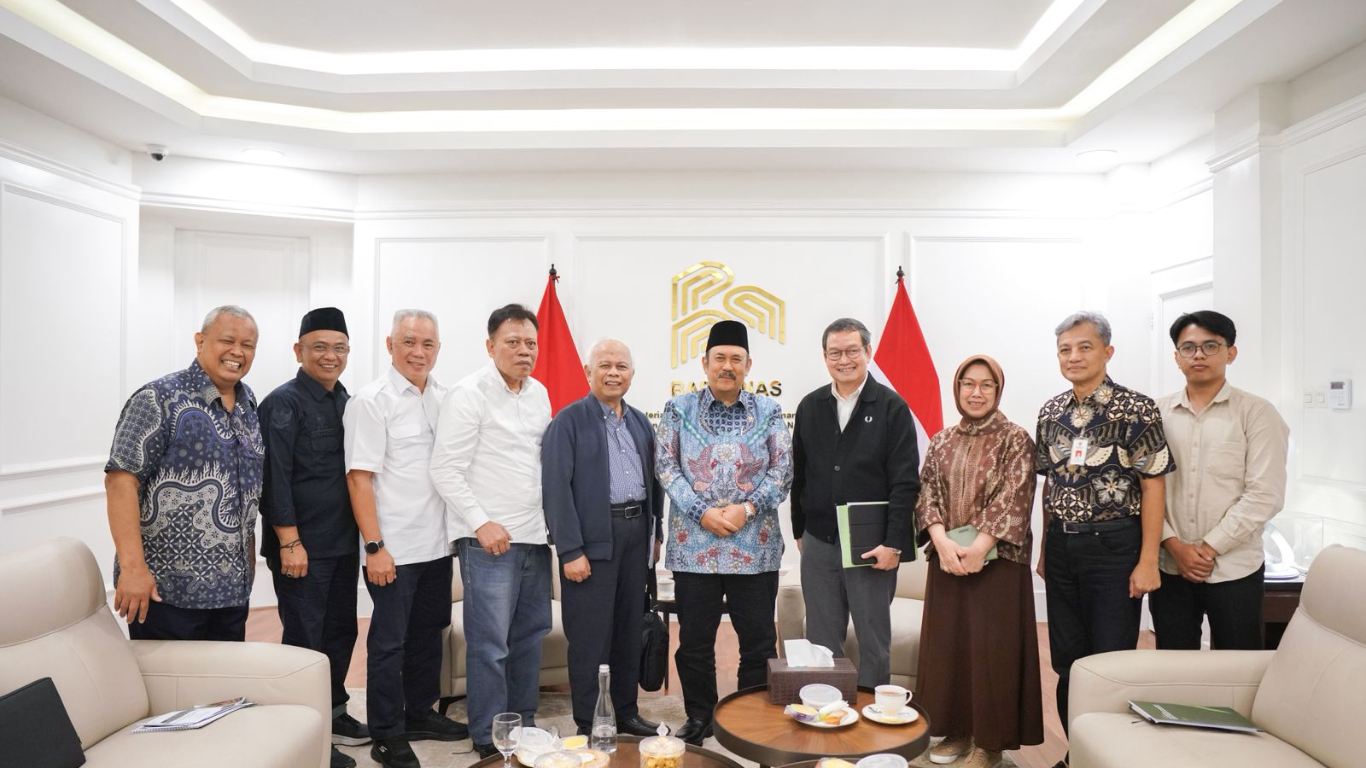
The Minister for National Development Planning/Head of Bappenas Rachmat Pambudy underscored the important role of the Bogor Agricultural Institute (IPB) in advancing Indonesia’s palm oil industry through research, innovation, and high value-added downstreaming.
The statement was delivered during a meeting with an IPB delegation led by Professor of the Faculty of Agriculture, Sudrajat, on Monday, 25 May 2026, at the Bappenas Building in Jakarta.
The meeting discussed land management, the strengthening of palm oil study centres, and the development of downstreaming models involving universities, government institutions, and industry stakeholders.
“We have all received direct instructions from the President. Specifically for palm oil, at least three institutions have been assigned responsibilities: the ministries overseeing land and higher education, Agrinas, and myself as Head of Bappenas, as we have been tasked with handling palm oil downstreaming. This is where IPB should engage and take on a strategic role,” Minister Rachmat stated.
According to Minister Rachmat, palm oil downstreaming can no longer rely solely on the export of raw materials, but must instead be directed towards the development of innovative products based on technology and research. He believes that IPB has significant capacity to become a national centre for palm oil science and innovation.
“It is time for us to stop merely selling CPO or fresh fruit bunches (FFB). A single bunch of palm fruit can be transformed into various high value-added products. It can become natural lipstick, beta-carotene capsules, composite materials, and other industrial products. Palm oil is extraordinarily versatile when processed through science and technology. That is why I want the palm oil study centre at IPB to continue and be strengthened, even if it begins on a small scale, because its future impact will be monumental,” Minister Rachmat said.
He also encouraged IPB’s involvement in strengthening supply chains and cooperative development through the Red and White Village Cooperative programme. According to him, collaboration between universities, government, and industry is key to ensuring that palm oil development delivers direct benefits to the public.
Meanwhile, Prof. Sudrajat explained that IPB is currently preparing several cooperation schemes for palm oil plantation management and the development of an educational ecosystem based on a sustainable palm oil industry.
One of the proposed options is the professional management of plantations by involving experienced industry practitioners, while simultaneously integrating such activities with education, research, and community service.
“We want to ensure that management is carried out professionally and integrated with the Tri Dharma of Higher Education. In other words, it will not be lecturers directly managing operations, but professional personnel with strong track records in the industry. In this way, education, research, and innovation activities can progress hand in hand with the development of a sustainable palm oil industry,” Prof. Sudrajat explained.
The meeting formed part of broader efforts to strengthen synergy between the government and higher education institutions in advancing the transformation of Indonesia’s palm oil sector into an industry driven by innovation, sustainability, and high added value