


Bappenas Underlines Polri’s Strategic Role in Supporting Economic Growth and Realising Golden Indonesia 2045 Vision
Development News - Thu, 19 June 2025
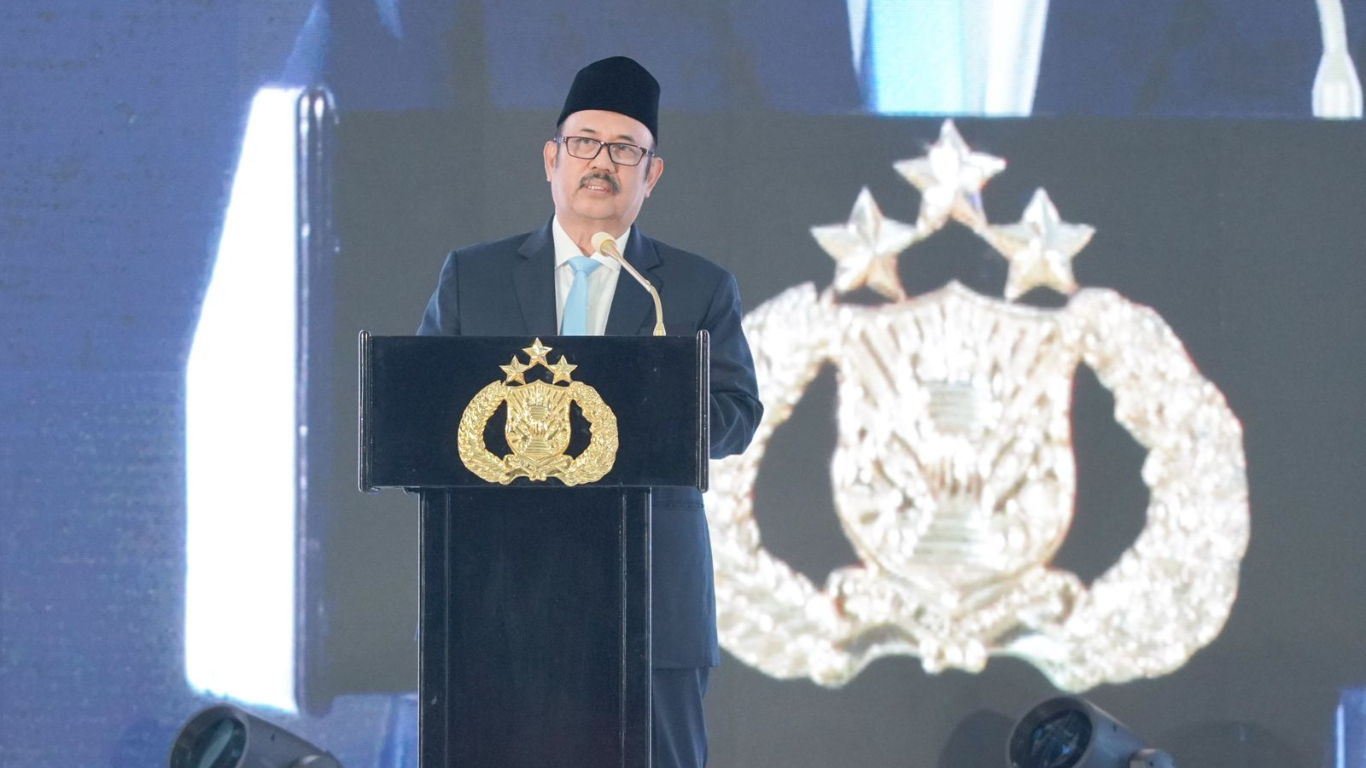
JAKARTA – The Ministry of National Development Planning (Bappenas) has reaffirmed the importance of the Indonesian National Police (Polri) in maintaining national stability as a key foundation for driving inclusive and sustainable growth.
The message was conveyed by the Minister for National Development Planning/Head of Bappenas, Rachmat Pambudy, at the 2025 Polri Development Planning Forum (Musrenbang) in Jakarta, on Thursday, 19 June, saying that no country in the world can grow and develop in a healthy manner without the support of a strong, professional, and publicly trusted police force.
“Polri plays a strategic role in ensuring safe spaces for citizens to create, do business, and contribute to national development,” said Minister Rachmat.
In the forum, Minister Rachmat highlighted how Indonesia’s economic growth in the 1970s, which reached double digits, succeeded in reducing poverty from 70 percent to 30 percent. He emphasised that history has shown a strong correlation between stable security and development success. However, today’s world, marked by uncertainty, demands more solid, integrated, and anticipatory collective action.
According to Minister Rachmat, national security stability is a key prerequisite for realising the major agenda outlined in the 2025–2045 National Long-Term Development Plan (RPJPN) and the 2025–2029 National Medium-Term Development Plan (RPJMN). In this context, Polri’s role extends beyond maintaining public order to include safeguarding the growth space for the digital economy, green transformation, and social resilience.
The Minister also underscored the importance of cross-sectoral synergy to support development targets.
“Achieving sustainable economic growth and the terms of the Golden Indonesia 2045 Vision cannot happen without close collaboration between Polri, the government, businesses, and society. Security is not the sole responsibility of one institution, but is the collective work of the entire nation,” concluded Minister Rachmat.