


Bappenas Confirms SBSN 2027 as a Financing Instrument, Supporting Stronger Development Planning and Governance
Prime News - Tue, 25 November 2025
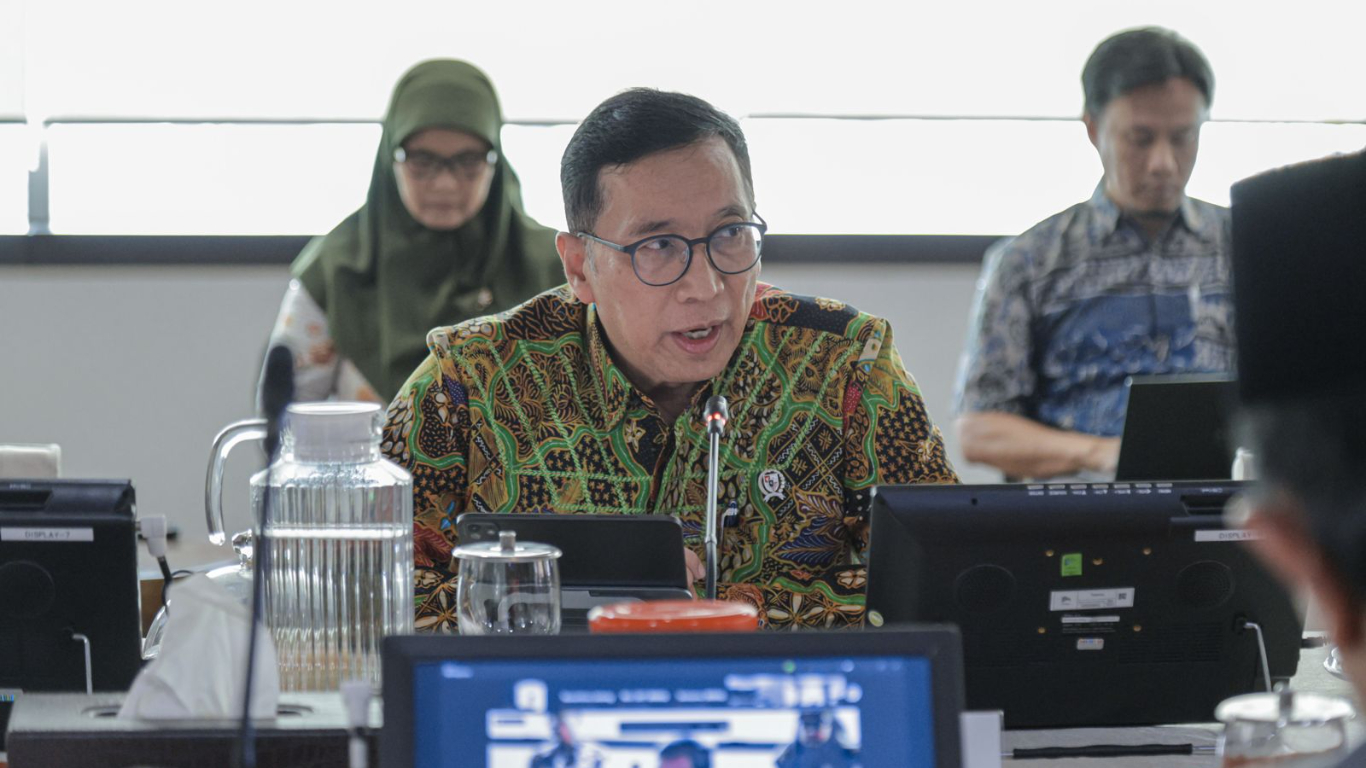
The Ministry of National Development Planning/Bappenas held a Kick-Off Meeting for the planning of projects to be financed through the 2027 State Sharia Securities (SBSN) Budget, marking the initial step to ensure that project planning becomes more targeted, of higher quality, and aligned with national development priorities.
Deputy Minister for National Development Planning/Vice Minister of Bappenas, Febrian Alphyanto Ruddyard, expressed his appreciation for the performance of SBSN utilisation, which has financed various public infrastructure projects for more than a decade.
“Through this kick-off meeting, we want to ensure that the strong foundation already in place can be further reinforced so that SBSN 2027 projects are planned more comprehensively, more measurably, and more in line with national development directions,” explained Deputy Minister Febrian at Bappenas Tower, Jakarta, Tuesday (25/11).
The project planning process must ensure support for the 2025–2029 National Medium-Term Development Plan (RPJMN) agenda, uphold the principles of sustainable development, and ensure project readiness from design to technical documents, while guaranteeing transparent and accountable governance. Putut Hari Satyaka, Deputy for Development Financing and Investment at the Ministry of National Development Planning/Bappenas, explained that SBSN is a financing instrument aimed at supporting the eight National Priorities of the 2025–2029 RPJMN, amidst investment needs estimated to reach Rp 47,573 trillion. Its utilisation must be aligned with other financing sources such as Pure Rupiah funds, loans, and PPP schemes.
Deputy Putut stressed that SBSN may only finance general public services, domestic industry empowerment, public infrastructure, and government strategic projects, all of which must comply with sharia principles, provide clear public benefit, and be immediately usable upon completion. Sustainability and inclusiveness are also key considerations, including the application of environmentally friendly standards and fulfilment of GEDSI principles.
Meanwhile, the presentation of the Proposal Procedures for 2027 SBSN Projects marked the beginning of the formal phase for project formulation and submission. Deputy Putut also emphasised the importance of improving the quality of project proposal verification, strengthening coordination across ministries/agencies, and ensuring discipline in planning and procurement so that all projects can be completed on time.
“SBSN is only one component of development financing, as the vast investment needs require the mobilisation of various funding sources beyond the State Budget. The high enthusiasm of ministries/agencies indicates that SBSN continues to be seen as a promising source of financing for development across multiple sectors,” concluded Deputy Putut.